FENCE COVERING SYSTEMS: CHOOSE BY PANEL FIT, FINISH AND INSTALLATION
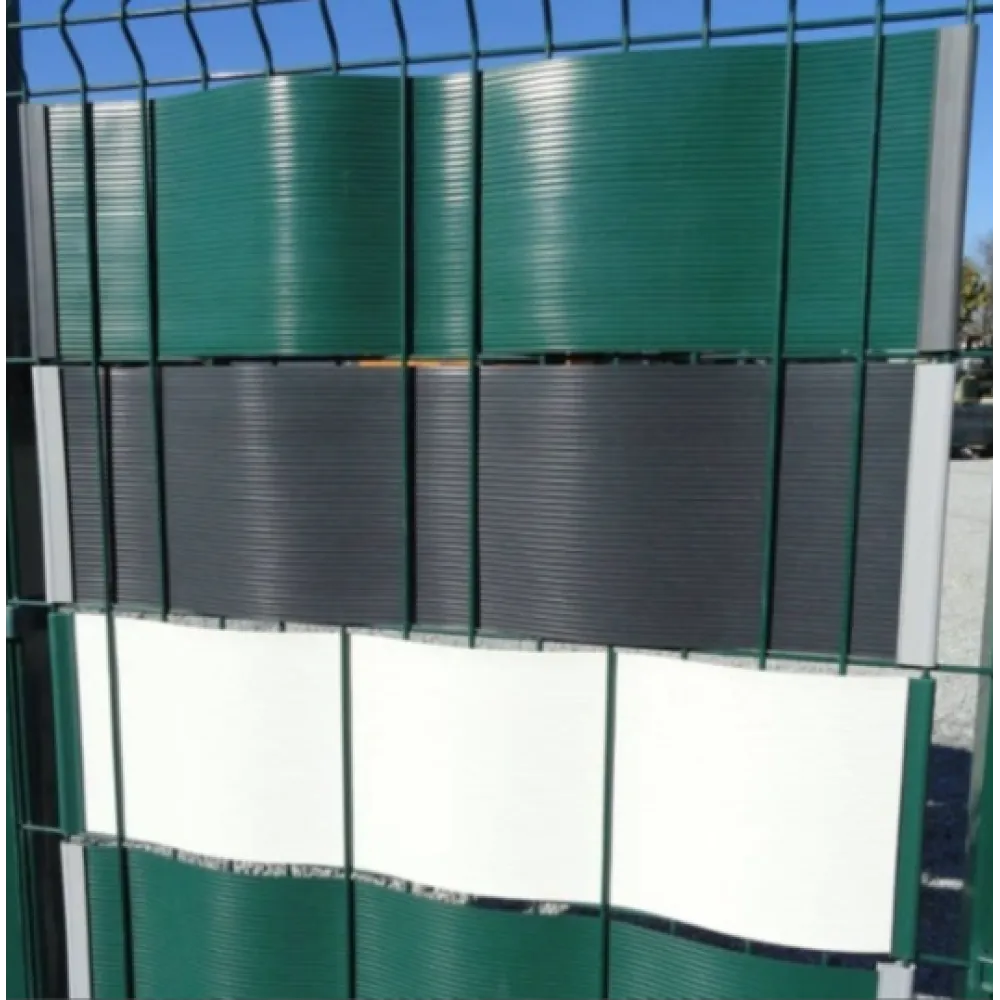
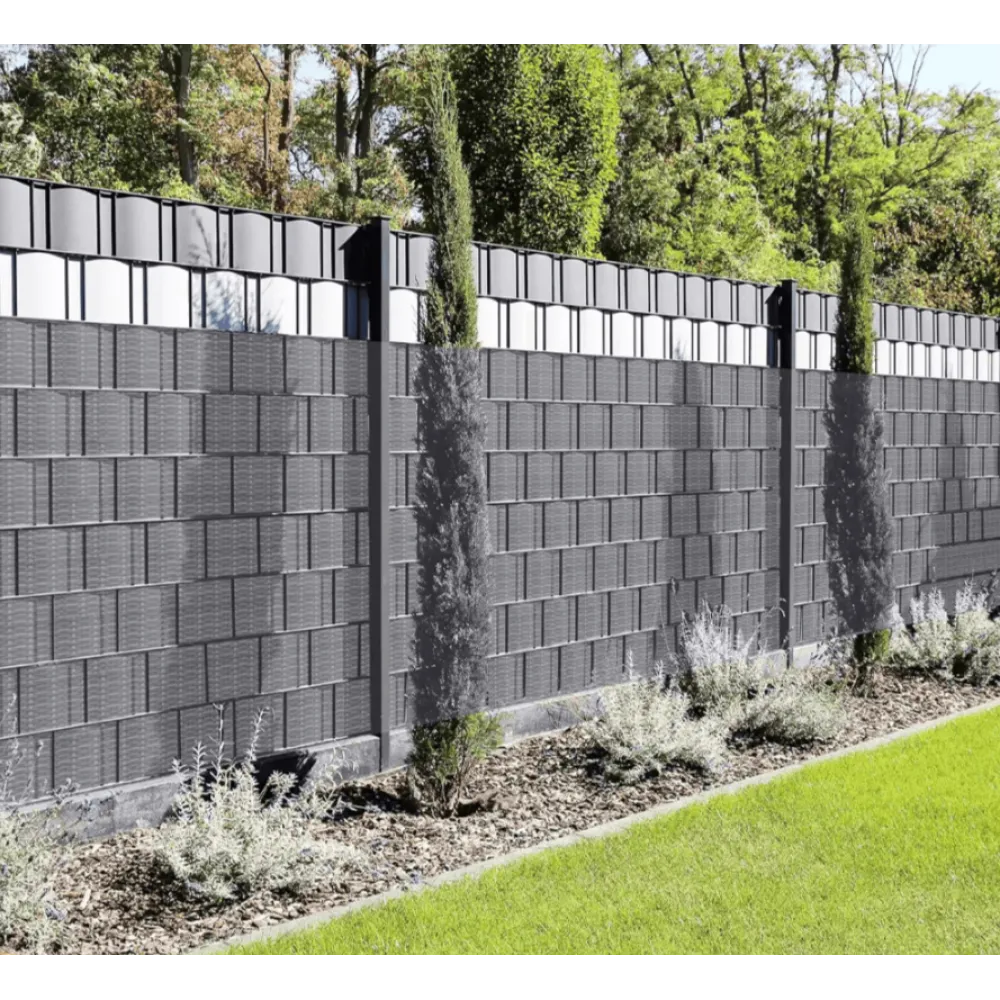
Fence covering is a practical way to change the appearance of an existing wire-panel fence and add visual screening where it is needed. The right choice starts with the panel itself: measure the wire opening, panel height and panel length before selecting a model. A product photograph alone is not enough to confirm compatibility.
WHICH FENCE-COVERING MODEL IS RIGHT FOR YOUR PROJECT?
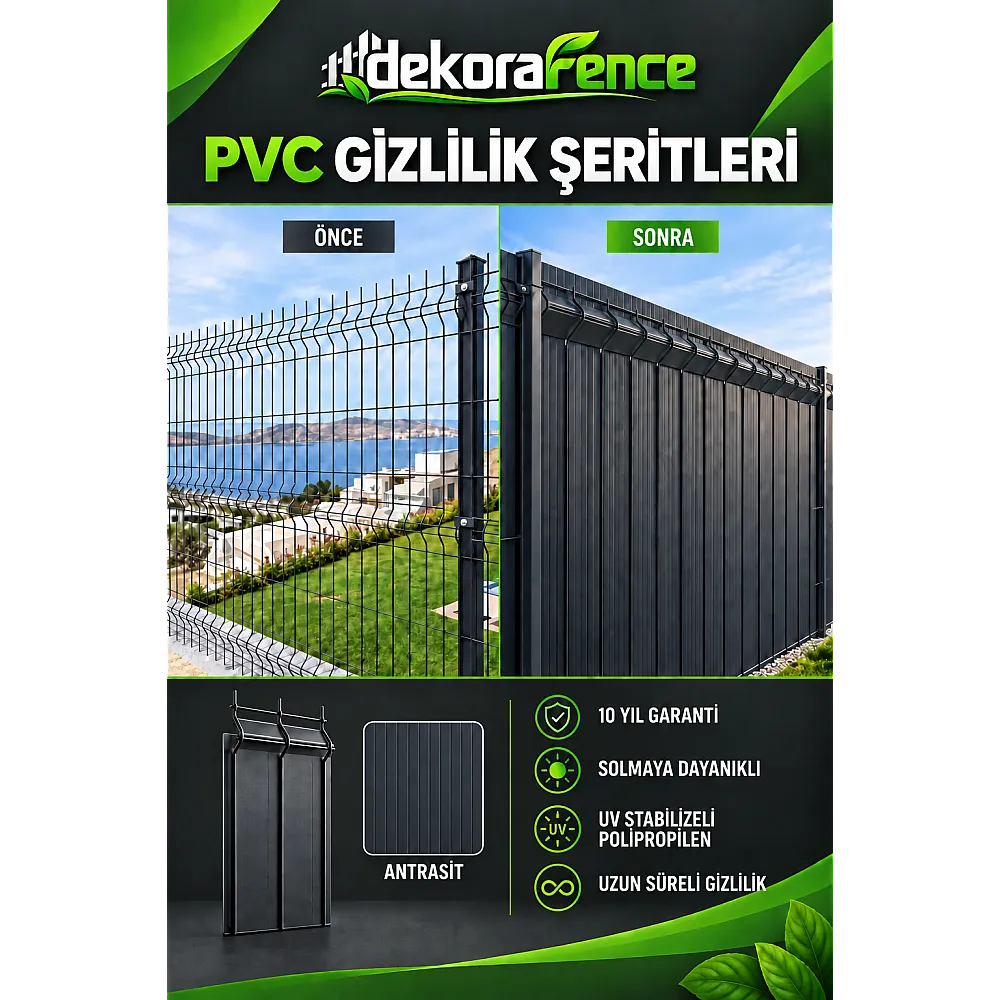
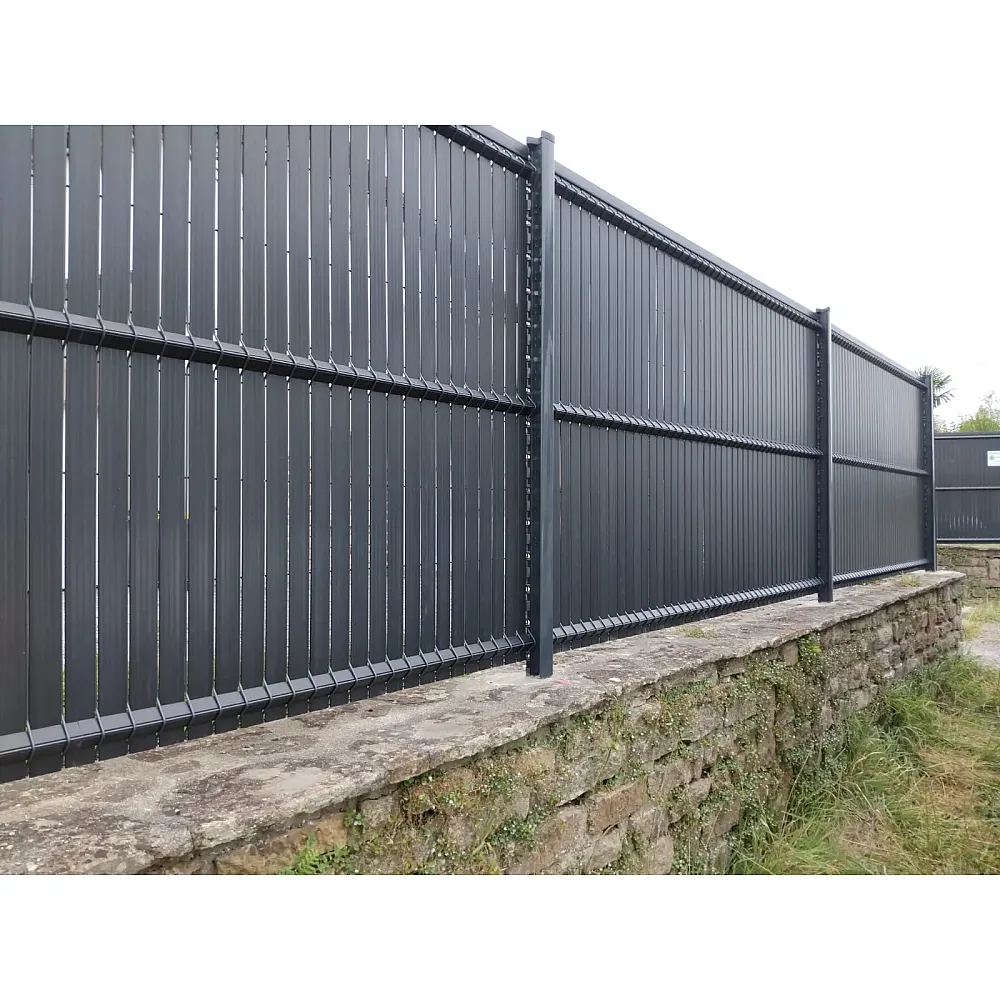
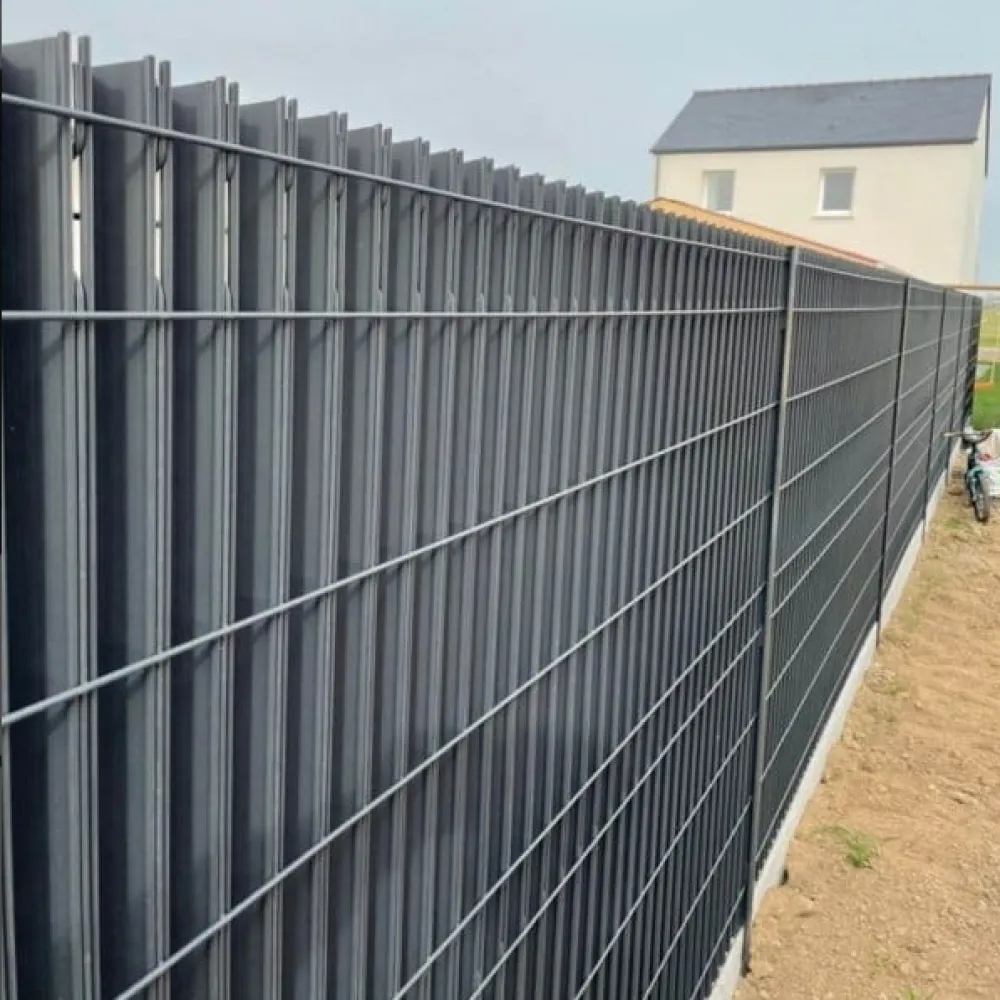
PVC Panel Fence Covering – Flat Model
A flat profile is suited to projects looking for a clean, linear finish. Check the product page for the panel spacing, set coverage and available height or colour options before ordering.
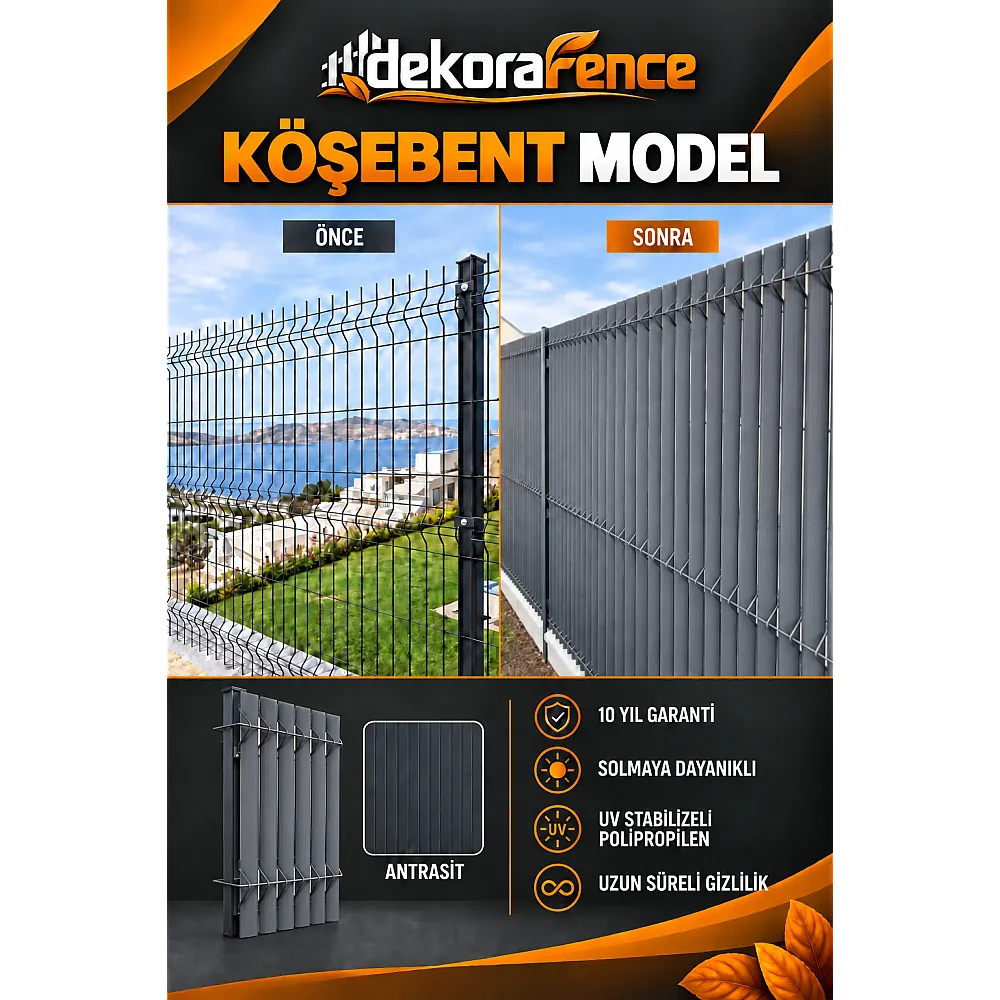
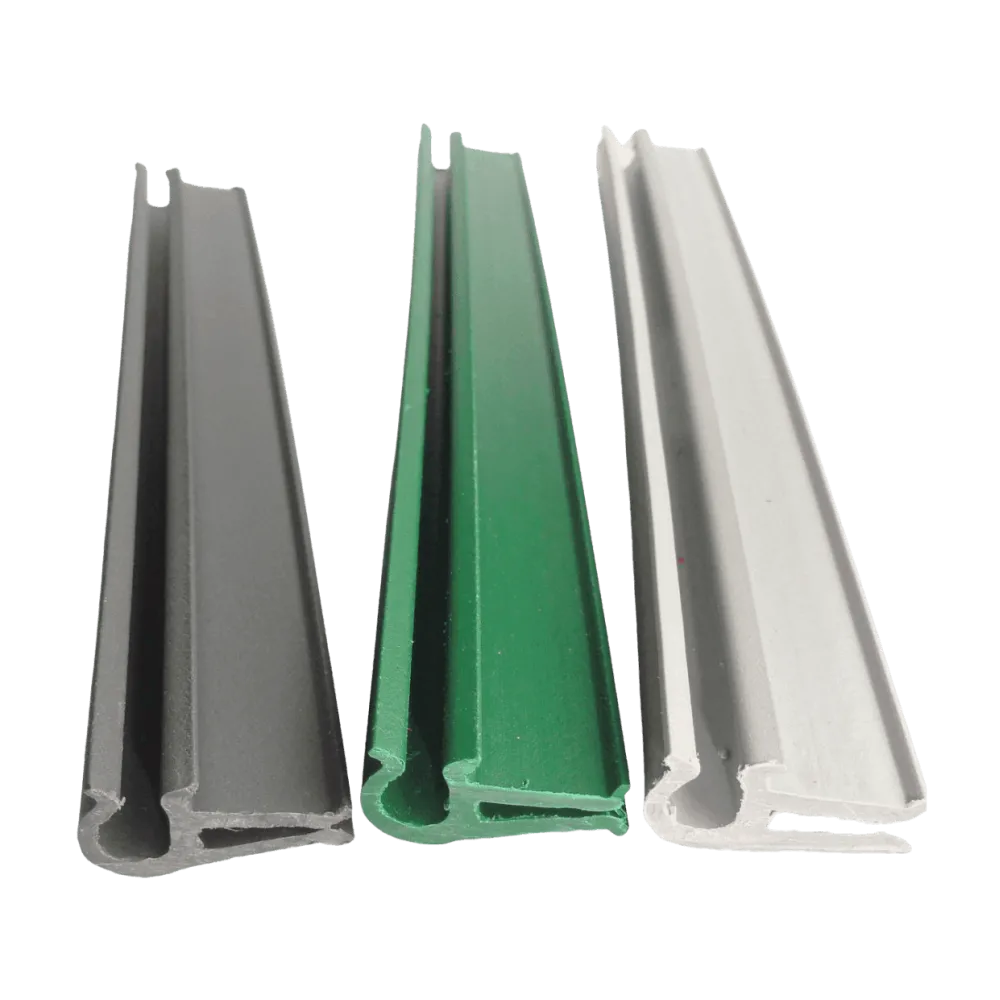
PVC Panel Fence Covering – Corner Profile
The corner-profile model creates a more pronounced, shaped surface than a flat strip. It is an alternative for buyers who prefer a more articulated finish on compatible panel fences. As with every covering system, confirm wire spacing and panel measurements first.
Double-Wire Fence Covering / Line Model
This option is intended for the relevant double-wire fence construction. Review the individual product details and do not assume that a product made for one fence type will fit another.
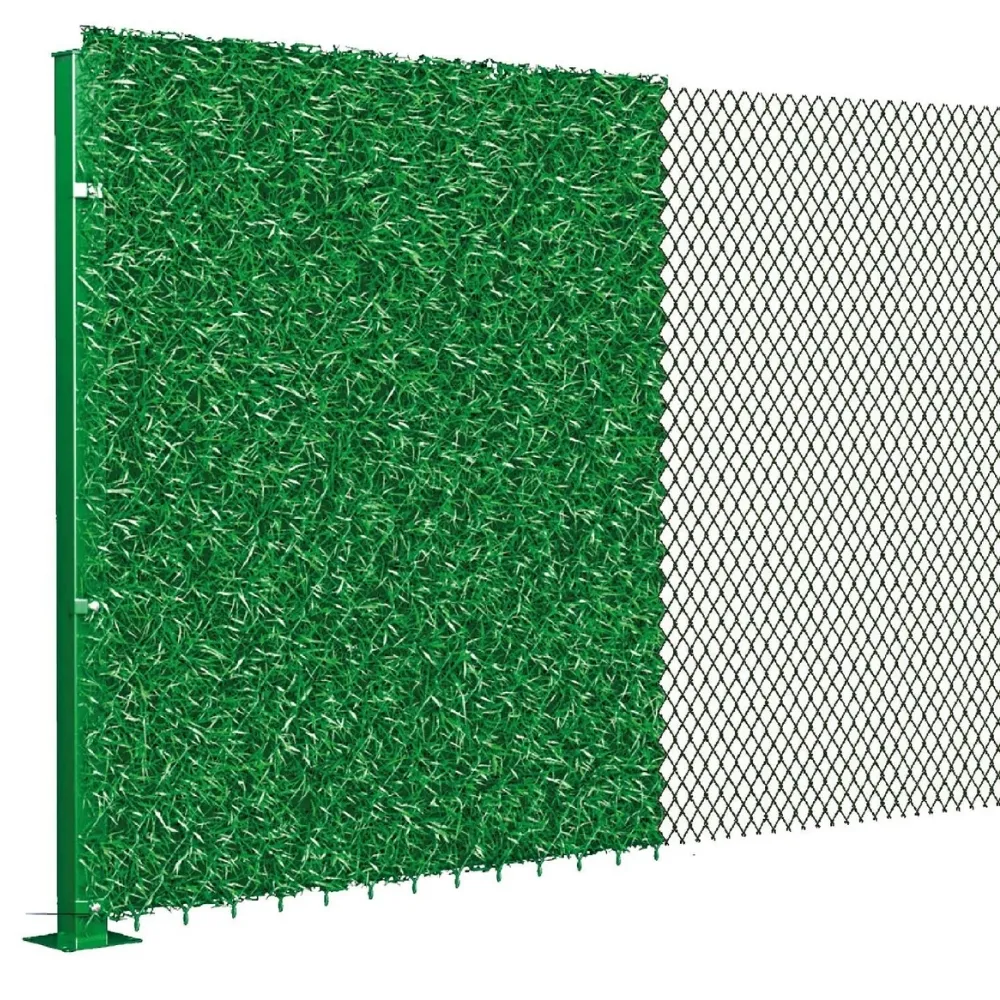
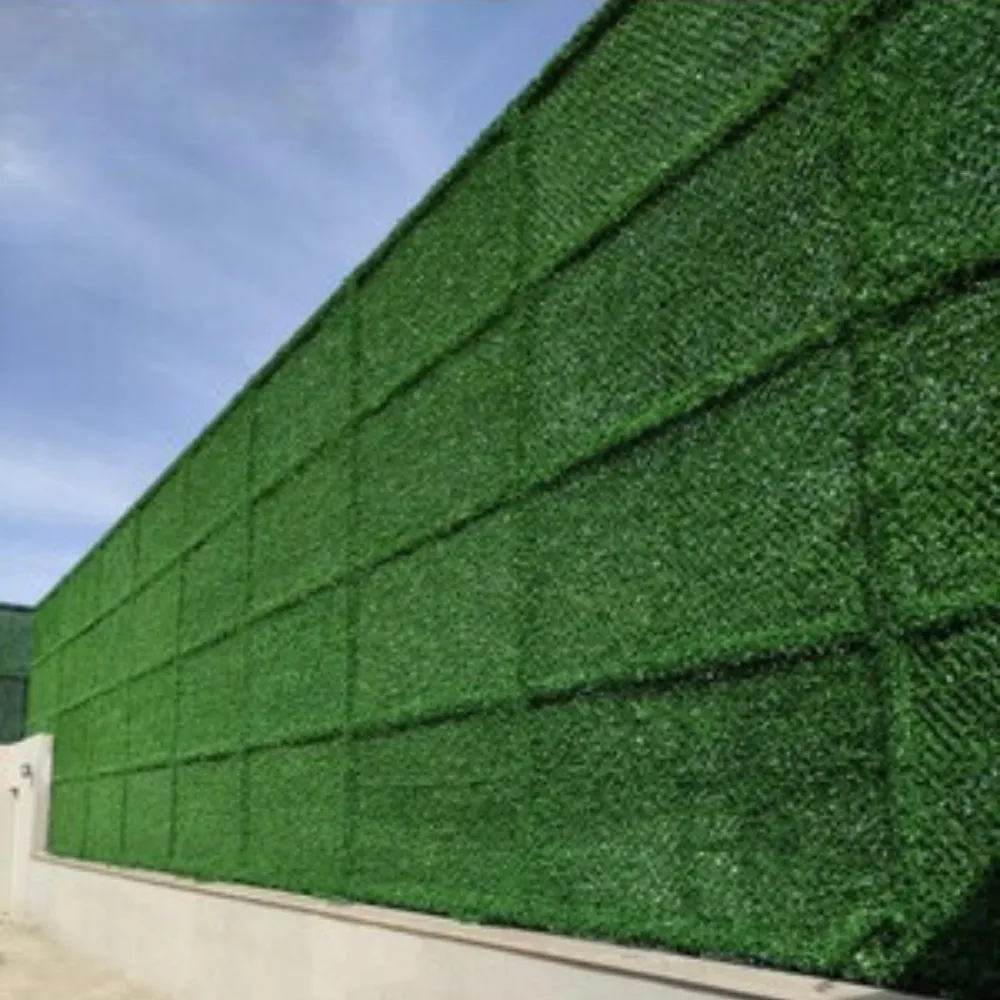
Grass Fence Roll
A grass fence roll is a separate option for projects that want a greener visual treatment. Measure the fence run, the required height and the number of fixing points so that the order covers the full application area.
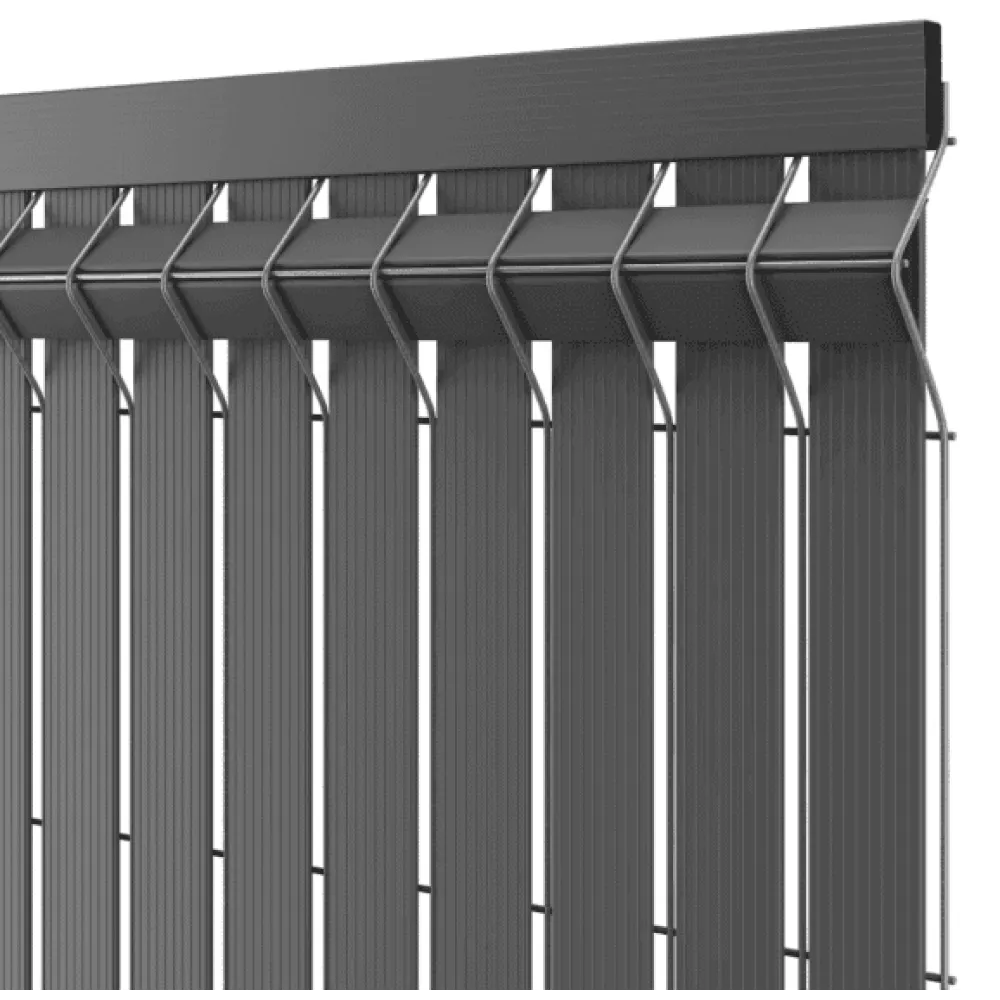
TOP PROFILES AND FASTENING PARTS
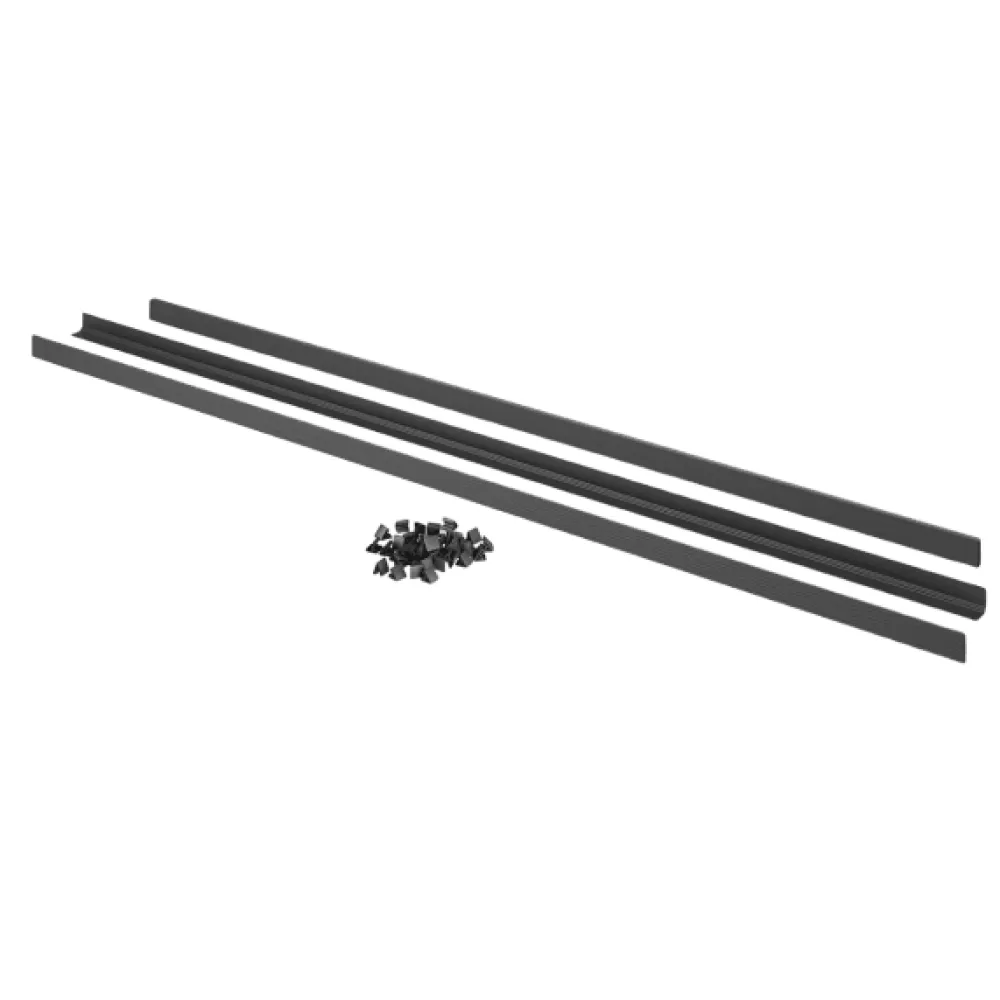
Fence covering is not just the visible surface. A top protection profile can be considered for a finished upper edge, while the appropriate fastening clips help plan the installation according to the product and field conditions. Check the individual listing for compatibility and the quantity required; these parts may be sold separately from the main covering.
FOUR MEASUREMENTS TO TAKE BEFORE ORDERING
• Wire opening: Measure the gap in the existing panel fence.
• Panel length: Count each fence panel separately; do not estimate from the total line only.
• Panel height: Choose the option that corresponds to the existing panel height.
• Gates and corners: Calculate gates, end sections and corners separately from standard panels.
FLAT OR CORNER PROFILE?
The difference is primarily the surface effect. A flat model gives a simpler linear look; a corner profile gives a more defined shaped appearance. Compatibility comes before appearance: once the panel measurement is confirmed, compare the available product options, price and the parts needed for installation.
HOW TO PLAN YOUR ORDER
Start with a quick sketch of the fence line. Mark the number of standard panels, gates and corners, then list the height and spacing of each section. This avoids ordering a covering system that is visually suitable but not dimensionally suitable. For outdoor applications, inspect the existing fence, posts and attachment points before installation.
The products in this category are presented individually so that you can compare the model, current options and accessory needs on each product page. If a measurement or compatibility detail is unclear, confirm it before purchase rather than relying on a generic fence dimension.